How Domain Squatters Operate and How to Beat Them at Their Own Game
Domain squatting is rarely random. The better operators run a repeatable process: spot demand early, register cheaply, park the domain for cash flow, then wait for a buyer with a deadline. If you understand that process, you can stop negotiating like a desperate end user and start negotiating like someone who knows how the domain market actually functions.
This article breaks down how squatters identify valuable names, how they monetize holding costs, and what strategies consistently work when you need to acquire a squatted domain.
Domain squatting vs. cybersquatting: know what you are dealing with
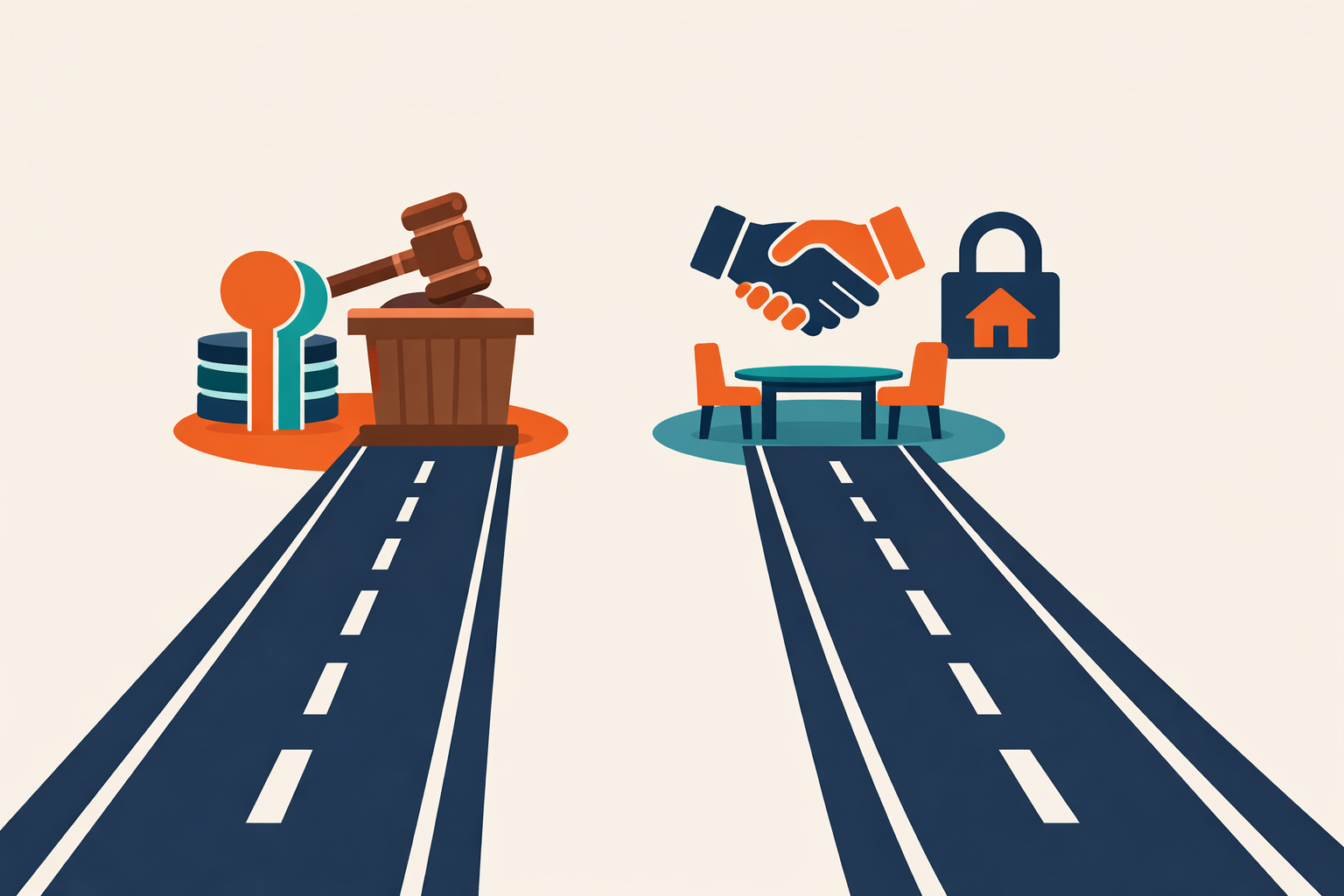
Cybersquatting has a specific meaning in trademark law. It generally refers to registering, trafficking in, or using a domain name in bad faith that is identical or confusingly similar to a trademark. Domain squatting is broader, and in the real world people use it to describe everything from outright trademark abuse to speculative investing in generic dictionary words.
That distinction changes your options.
Three buckets you will see in the wild
1) Trademark-targeting cybersquatting. Think brand names, brand typos, or brand plus a commercial modifier, for example, brandname-login.com or brandname-support.com. These are often parked, used for affiliate pages, or set up for phishing. Bad actors in this bucket typically fold quickly when confronted with a credible enforcement path.
2) Generic speculation. Single-word dictionary domains, short acronyms, category terms, and product descriptors. This is often called “squatting” by founders, but it is usually legal speculation. If you want Orbit.com or Lending.com, you are negotiating with an investor, not a cybersquatter.
3) Trend and startup-hunting. These operators chase fresh keywords, new product categories, viral phrases, AI tool naming patterns, and funding announcements. They register or backorder names that look like they will be requested by teams who need to ship fast.
Before you do anything else, run a fast ownership check and classify the situation. BrandHunt’s WHOIS Lookup is the quickest way to see registrant clues, registrar, and status, even when privacy is enabled.
A clean negotiation starts with correct labeling. Calling every owner a “squatter” is emotionally satisfying and commercially expensive.
How squatters find valuable domains
The best domain squatters operate like quant traders. They are not guessing, they are scanning for signals.
They monitor keyword demand, not your company
Operators watch:
- Search intent and CPC. High commercial intent keywords tend to support higher resale prices because the buyer can monetize quickly.
- Product-led naming patterns. Suffixes like “HQ,” “AI,” “Labs,” “Pay,” “Health,” “Cloud,” “Flow,” “Stack,” and “Works” cycle in and out of favor. Squatters register combinations at scale.
- Drop lists and expiring inventory. Large portfolios and abandoned projects drop every day. Squatters buy expiring names through auctions or backorders, often for under $500, then list them for five figures.
- Funding and hiring signals. Press releases, Crunchbase updates, and job posts reveal when a team has budget and urgency.
A common misconception is that squatters “stole” your name after you announced it. In practice, most of the time the domain was registered years earlier, or it was picked up because the keyword trend was obvious to anyone watching.
They prefer names with built-in liquidity
Liquidity in domains means a name could plausibly sell to multiple buyers, not just one company. Squatters like:
- Short, pronounceable .com domains
- Category terms that fit many businesses
- Brandable two-syllable names
- High-intent terms in finance, insurance, health, legal, and B2B software
If your target domain has multiple plausible end users, expect a tougher negotiation. If it clearly matches only your brand, you have more room to pressure without overpaying.
How squatters hold domains cheaply for years
The economics are simple. A .com renewal is usually around $10 to $15 per year at scale, sometimes less. That means a squatter can hold a name for a decade for roughly the cost of a single coffee per month.
Domain parking keeps the lights on
Domain parking is a monetization method where the domain resolves to a basic page, usually filled with contextual ads or a “for sale” banner. Even modest type-in traffic can offset renewals. When you see a parked page with ads, it tells you three things:
- The owner is comfortable waiting.
- They want inbound leads.
- They are likely tracking interest.
Some parking platforms also provide lead forms, minimum offer thresholds, and automated counter-offers. That automation can make a negotiation feel like you are talking to a wall, because in many cases you are.
They use pricing psychology, not valuation logic
Many squatted domains are priced using:
- Anchor pricing (high list price to shape expectations)
- “Buy now” convenience premiums
- Fast-moving counter-offers designed to pressure urgency
If you want a rational price discussion, you need to bring market comparables, credible alternatives, and time. Otherwise the owner controls the frame.
To get a ballpark sense of what a name might trade for, use BrandHunt’s Domain Appraisal. Treat it as a starting point, not a final price.
The squatter’s playbook during negotiations
Once you engage, skilled operators run a consistent script.
They try to identify who you are
Squatters want to know if you are:
- A funded company
- A public brand
- A buyer with a launch deadline
- A buyer who already invested in branding
They will look up your email domain, LinkedIn, and any website you accidentally reveal. If you email from @YourNewBrand.com while asking for YourNewBrand.com, you have already lost leverage.
They create urgency and scarcity
Common tactics include:
- “Another party is interested”
- “Price increases next week”
- “I have a minimum I cannot go below”
Sometimes these claims are true. Often they are not. Your job is to negotiate based on your alternatives, not their storytelling.
They test your budget with small concessions
A typical path is:
- You offer $1,000
- They counter $25,000
- You move to $3,000
- They “drop” to $18,000
That drop is designed to make you feel progress while keeping you in their target range. Real movement usually looks like big steps early, then smaller ones near a closing price.
Strategies that work to acquire a squatted domain
The goal is not to “win” a debate. The goal is to get the domain at a price and timeline that makes sense for your business.
What is the fastest way to acquire a squatted domain?
Speed comes from preparation and clean execution. If you need the name quickly, you should combine three levers: reduce the seller’s perceived risk, remove friction around payment and transfer, and avoid signaling that you have no alternative.
1) Start with a controlled identity
Use a neutral email and avoid revealing your company until the deal terms are close. This is standard practice in domain acquisition for a reason. The moment a seller ties the domain to a funded entity, the price tends to move up.
If you are already public and easy to identify, neutrality still helps. Communicate like a professional buyer, not like a founder pleading for their dream name.
2) Set a rational opening offer with a clear ceiling
A good opening offer does two things: it signals you are serious, and it avoids anchoring yourself too high. The ceiling is more important than the opener.
Base your ceiling on:
- The cost of rebrand risk (design, legal, churn, confusion)
- The value of direct navigation traffic, if any
- Comparable sales in your category
- Your timeline and marketing calendar
If your ceiling is $15,000, do not start at $12,000. Start lower, then move in planned steps.
3) Control the timeline without looking desperate
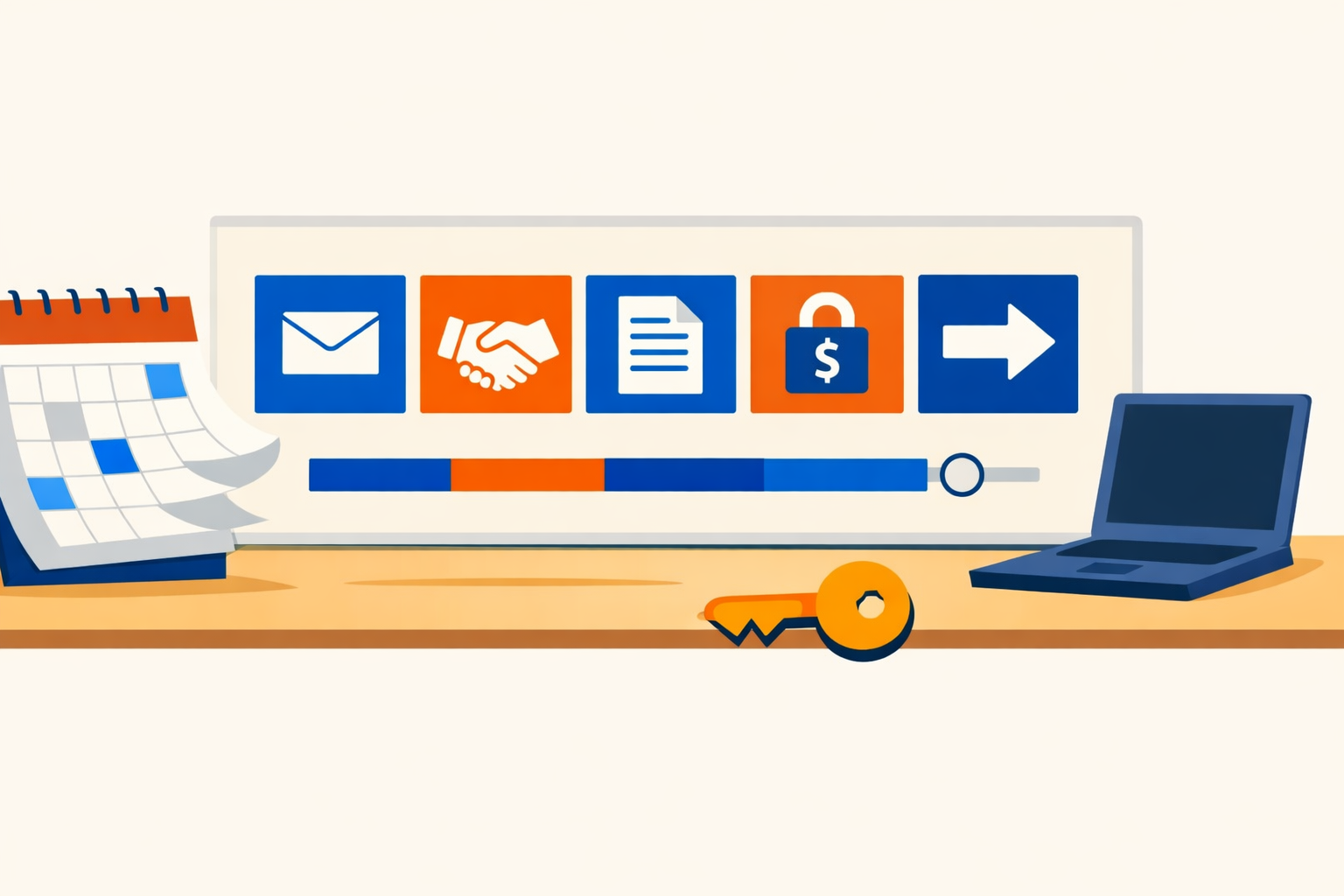
Give offers an expiration date, but keep it credible. A 24-hour deadline rarely works unless you are already near agreement. A 5 to 7 day window is often more believable.
Tie your timeline to operational reality, not emotion. “We need to finalize domains this week for our trademark filing and launch assets” is better than “We love this name.”
4) Use strong alternatives as real leverage
Negotiations change when you can walk away. Create a shortlist of 10 to 30 viable options:
- Different TLD strategies:
.compreferred, but consider country codes if you have a clear geographic focus - Modifiers: “get,” “try,” “use,” “join,” “hq,” “app,” “labs” (used carefully)
- Slight spelling variants that remain pronounceable
BrandHunt’s Domain Generator is useful for building that list quickly, especially when you want brandable options that still feel premium.
Do not threaten alternatives in a dramatic way. Casually mentioning you are reviewing other names can be enough.
5) Know when law helps and when it backfires
If you are dealing with true cybersquatting tied to your trademark, legal pressure can be effective. If you are dealing with a generic domain investor, legal threats can make the seller dig in, stop responding, or raise the price out of spite.
Practical guidance:
- If the domain incorporates your registered mark and the use looks like bad faith, document everything and consult counsel about UDRP or related remedies.
- If the domain is generic or brandable without referencing you, focus on negotiation mechanics and alternatives.
6) Avoid the “broker trap” and control communications
Some owners route you to a marketplace broker or an automated negotiation system. That can be fine, but it can also add fees, slow responses, and reduce flexibility.
If you do proceed through a platform, confirm:
- Who pays fees
- Whether the price is inclusive
- Transfer timeline
- Escrow process
When you are ready to close, a clean transfer matters. BrandHunt’s Domain Transfer Guide covers the operational steps so you do not get stuck in avoidable delays.
7) Use patience as a pricing tool
Many squatted domains sit for years. If your project can tolerate a fallback domain for 3 to 12 months, you can often get better terms later.
Signals that patience may work:
- The domain is parked with no meaningful traffic
- The owner has a very large portfolio
- The name is niche and has limited end-user demand
That said, patience is a strategy, not a virtue. If you are about to spend $200,000 on a launch, the domain cost is often cheap insurance.
Red flags that you are being played
Bad deals tend to share the same warning signs.
The seller pushes you off email immediately
Moving to WhatsApp or Telegram is common in scams. Professional domain deals can close over email with standard escrow and registrar transfers.
The seller refuses any standard escrow
A legitimate seller should accept a reputable escrow process or a marketplace with buyer protection. Refusal is a major risk indicator.
The seller asks for proof of funds before naming a range
This is often a tactic to extract budget information. Serious sellers can provide a price expectation without interrogating the buyer.
How to think about “beating them at their own game”
Winning in this market looks like discipline, not aggression.
Treat the domain as an asset with a replacement cost
If the name is truly irreplaceable, you are buying certainty. If the name has good substitutes, you are buying convenience. Those are different price categories.
Use information asymmetry in your favor
Squatters profit from buyers who reveal:
- their brand name
- their funding
- their deadline
- their emotional attachment
You beat that by staying anonymous when possible, moving slowly, and building alternatives before you negotiate.
Measure the opportunity cost of delay
If your team is spending weeks debating a domain, that cost can exceed the price difference you are negotiating over. A clean process with a firm ceiling saves time and protects the brand.
A practical checklist before you make an offer
- Confirm ownership and status via WHOIS Lookup.
- Screenshot current use (parked page, redirects, ads) for your records.
- Estimate a value range with Domain Appraisal.
- Build 10 to 30 alternatives with the Domain Generator.
- Decide your ceiling price and timeline internally.
- Contact the owner with a neutral identity and a clean opening offer.
- If you reach terms, execute transfer properly using the Domain Transfer Guide.
Closing: turn domain squatting from a roadblock into a process
Domain squatting and cybersquatting thrive on urgency, information leaks, and buyers who treat the domain as an emotional decision. The teams that consistently acquire squatted domain assets at reasonable prices do the opposite. They prepare alternatives, control identity, set ceilings, and close cleanly.
If you are still brainstorming, start with the Domain Generator, then confirm availability with our WHOIS Lookup and get a pricing baseline using Domain Appraisal. When the domain you want is already taken, BrandHunt’s core work is acquiring taken domains on behalf of clients. Use our Contact Us page to start an acquisition request and we will run the outreach and negotiation process end to end.